 Bolshoi Theatre of Belarus
Bolshoi Theatre of Belarus
Bolshoi Theatre of Belarus
Bolshoi Theatre of Belarus
Bolshoi Theatre of Belarus
Bolshoi Theatre of Belarus
Bolshoi Theatre of Belarus
Giuseppe Verdi
Nabucco
opera in four acts Thursday | 30 April 2026|19:00
Age 12+ Дирижер – �ртем Макаров |
Dates
|
Libretto: Temistocle Solera
Musical director: People's Artist of the Republic of Bashkortostan Artem Makarov
Director and designer: Giancarlo del Monaco (Italy)
Chorus master: People’s Artist of Belarus, laureate of the State Prize of the Republic of Belarus Nina Lomanovich
Associate director: Georgii Shilov (Russia)
Associate designer: Francesco Bonati (Italy)
Lighting designer: Lyudmila Kunash
Conductors: Yuri Karavaev, Vitali Hryshchanka
Sung in Italian with Russian surtitles
Running time: 2 hours 40 minutes with one interval
Premiere: 21 and 22 March 2026
ÂÐ�абукко – Кирилл Панфилов
Измаил – Дмитрий Шабет�
Захари� – �ндрей Валентий
�бигайль – Марта Дану�евич
Фенена – Ок�ана Волкова
Верховный жрец Ваала – Влади�лав Зозулько
�нна – �на�та�и� Храпицка�
�бдалло – �лек�андр Гелах
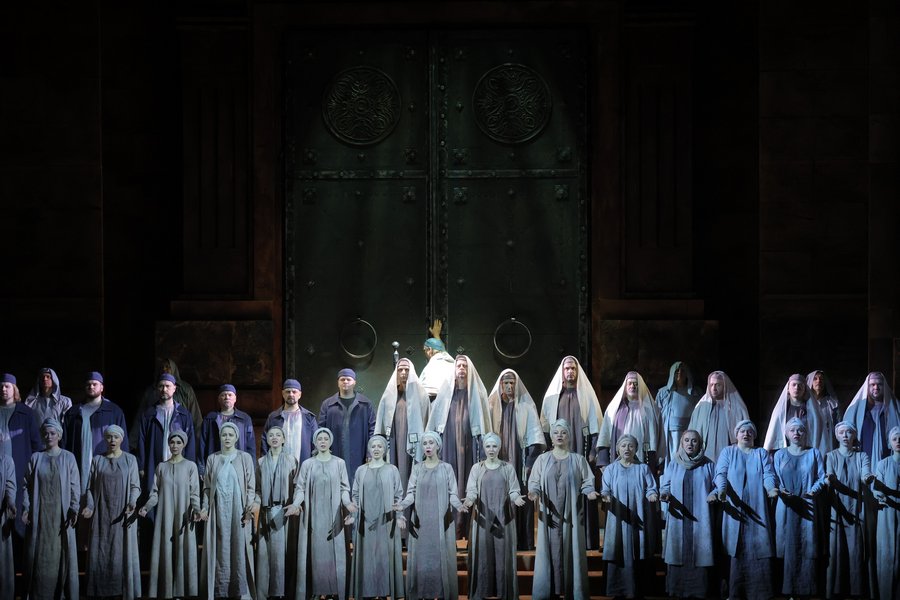
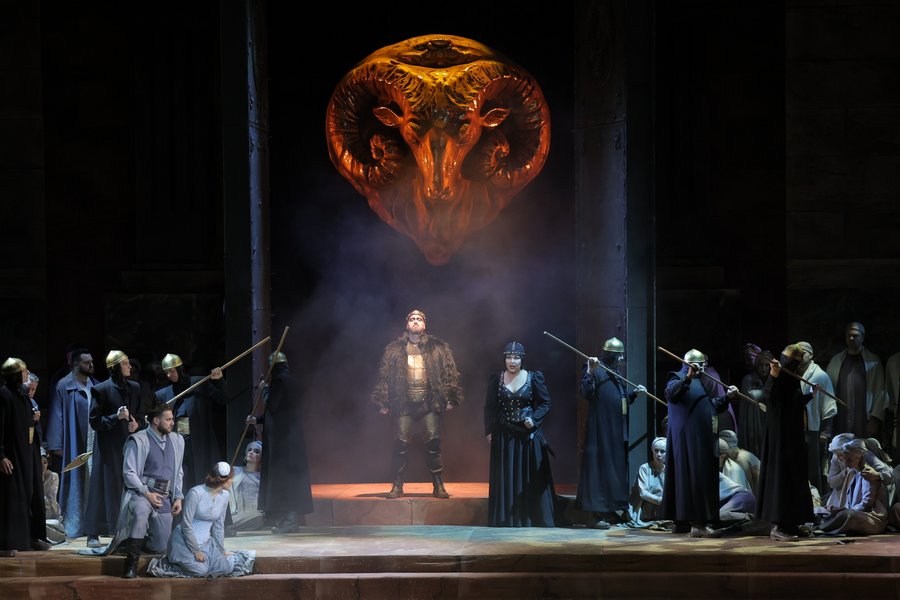
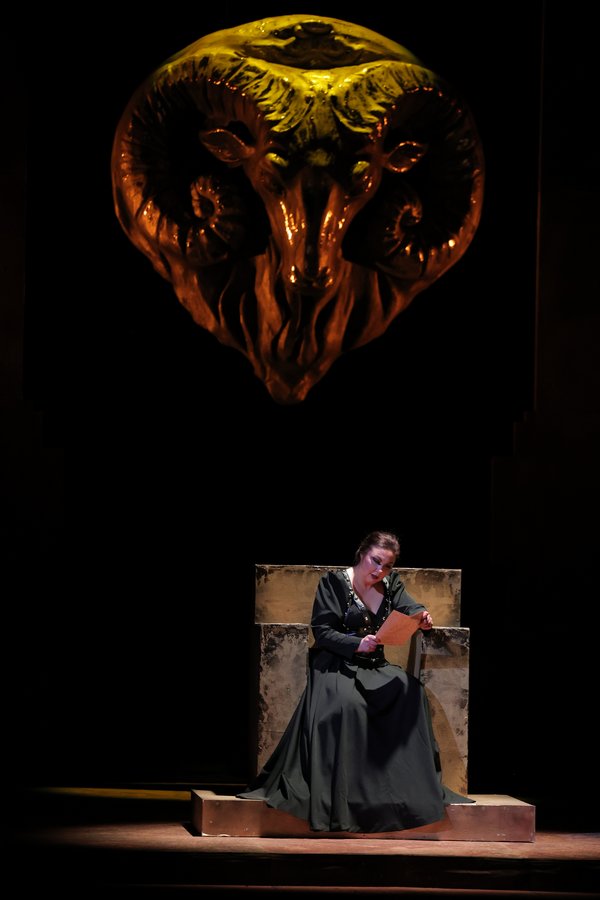
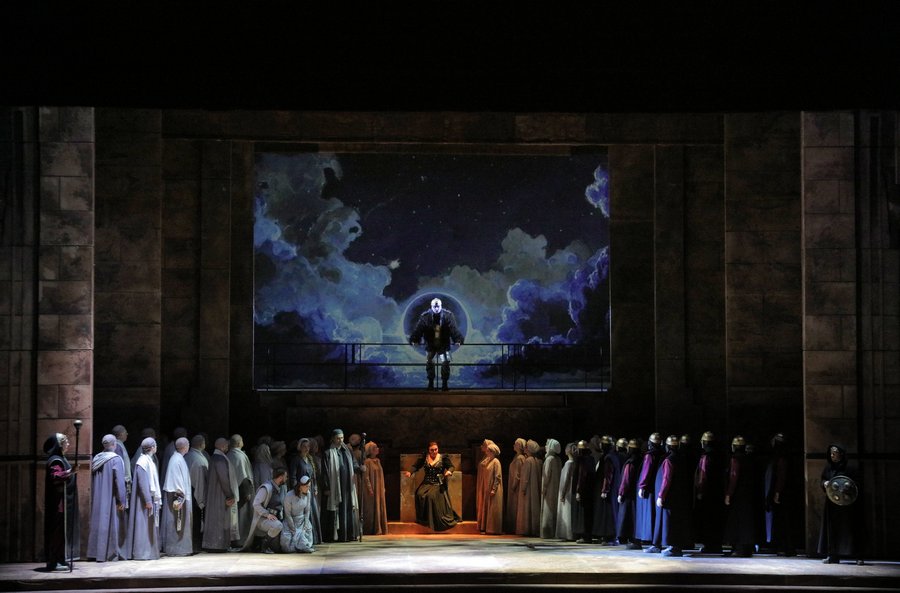
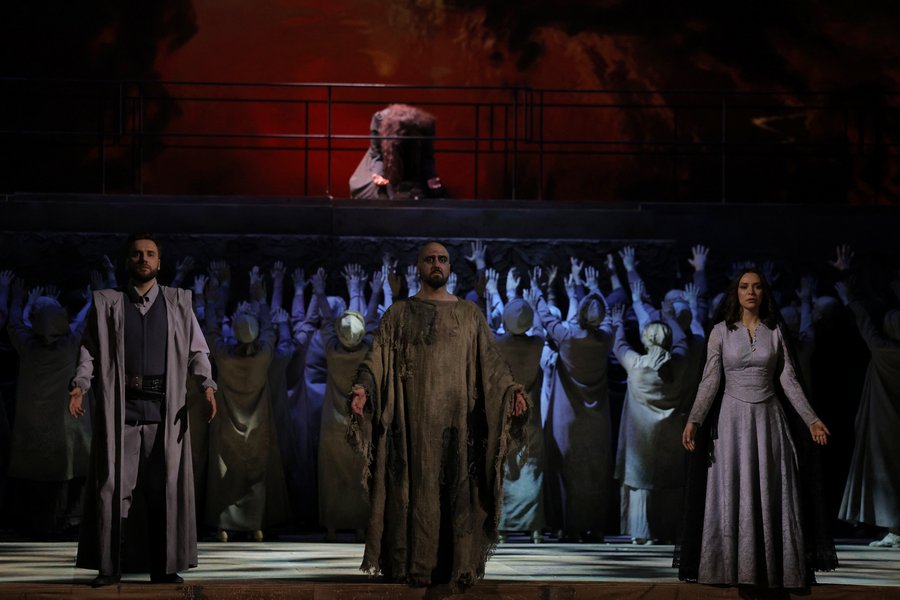
Act 1: Jerusalem
The forces of the Assyrian king Nebuchadnezzar (Nabucco) have besieged Jerusalem. The city's inhabitants and high priests have gathered inside the Temple of Solomon to pray for divine protection. Zaccaria, the high priest of the Jews, reassures them that salvation remains possible because Fenena, Nabucco’s daughter, is present in the city. Fenena is in love with Ismaele, a general and nephew of King Zedekiah of Jerusalem, and she sympathizes with the Jewish people.
Ismaele arrives at the temple with devastating news: Jerusalem has fallen to Nabucco’s army. While panic spreads among the people, Zaccaria remains calm and faithful. He blesses Fenena and Ismaele as they join hands, expressing hope for their future. The couple had met during a time of peace between Assyrians and Jews when Ismaele served as an ambassador to Babylon. Fenena had converted to Judaism for Ismaele but now struggles with doubts due to her identity as the daughter of an enemy.
Abigaille then appears leading armed soldiers; she was rescued and adopted by Nabucco years earlier and is considered his true daughter - Fenena’s sister. Abigaille also harbors feelings for Ismaele and offers him safety if he agrees to be with her. She warns that refusal will result in death for both him and Fenena, who is seen as a traitor to her ancestral faith. Ismaele proudly declines Abigaille’s offer.
As Assyrian soldiers advance, many people, including Zaccaria and his sister Anna, seek refuge in the temple. Nabucco arrives at the city leading his troops and appears at the temple on horseback. The high priest curses the impious king. In response, Nabucco threatens to execute all captives along with Zaccaria. However, Fenena defends the Jewish people, surprising the king with her unexpected actions. Zaccaria raises a dagger over the girl, prepared to kill her if the Assyrians do not show mercy to the defeated. Ismaele intervenes and stops the priest, thereby saving Fenena. In response to Zaccaria’s actions, the king becomes furious and commands that the temple be destroyed and all captives be removed.
Act 2: The Impious One
In Babylon, Abigaille is alone and visibly upset, holding a document that confirms she is the daughter of slaves. During his absence, Nabucco delegates power to his legitimate daughter, Fenena. Abigaille feels insulted by this decision, especially since Fenena holds both political power and the affection of Ismaele. Motivated by resentment, Abigaille decides to seek revenge. The high priest of Baal encourages her to seize the throne, arguing that Fenena is too compassionate - evident as all captives remain alive - and noting that Nabucco has been defeated and may be dead. Abigaille agrees with the priest’s suggestion that a slave’s daughter should become queen and plans to overthrow her sister by force.
Meanwhile, in the prison where captive Jews and Zaccaria are held, the high priest prays for their protection and liberation. The priests condemn Ismaele for associating with the daughter of his enemy, only Anna, Zaccaria’s sister, speaks up in defense of the young man.
Nabucco’s captain of the guard, Abdallo, informs Fenena about Abigaille’s conspiracy. Despite this warning, Fenena refuses to escape. Subsequently, the priests proclaim Abigaille as viceroy of Babylon and demand the execution of the captives. Unexpectedly, Nabucco returns himself. He accepts his crown from Fenena’s hands, forcing the priests and Abigaille to withdraw. Having achieved significant military victories, Nabucco now views himself as equal to God. Zaccaria warns the king about the inevitable consequences of blasphemy, but his warnings are ignored. Finally convinced of his own greatness, Nabucco declares himself a true god. At that moment, a lightning strike causes his crown to fall, and he is struck with madness. Fenena attempts to assist him while Abigaille claims the fallen crown and declares herself the new ruler of Babylon.
Act 3: The Prophecy
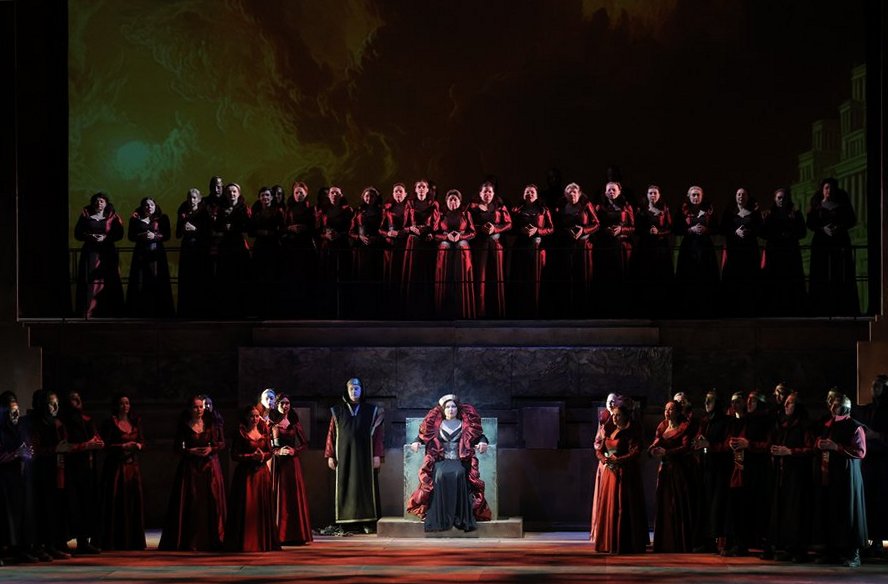
Abigaille has successfully taken control of Babylon. The slaves praise both their mistress and the god Baal. The high priest urges Abigaille to hasten the execution of the captives, including her sister, who has renounced their ancestral faith.
Nabucco enters the throne room accompanied by Abdallo. His consciousness is unstable: he is surprised not to see his warriors and does not immediately recognize Abigaille. The queen requests that he authorize the execution order for the Jewish prisoners. Nabucco complies by signing with his seal but soon realizes that Fenena, his daughter, is among those condemned. Despite this, Abigaille insists on proceeding and reminds him that he has another daughter. The king confronts Abigaille about her origins, provoking her anger. As the signal for execution sounds, Nabucco pleads once more for Fenena’s release. In response, Abigaille orders the arrest of the deposed king overwhelmed by grief.
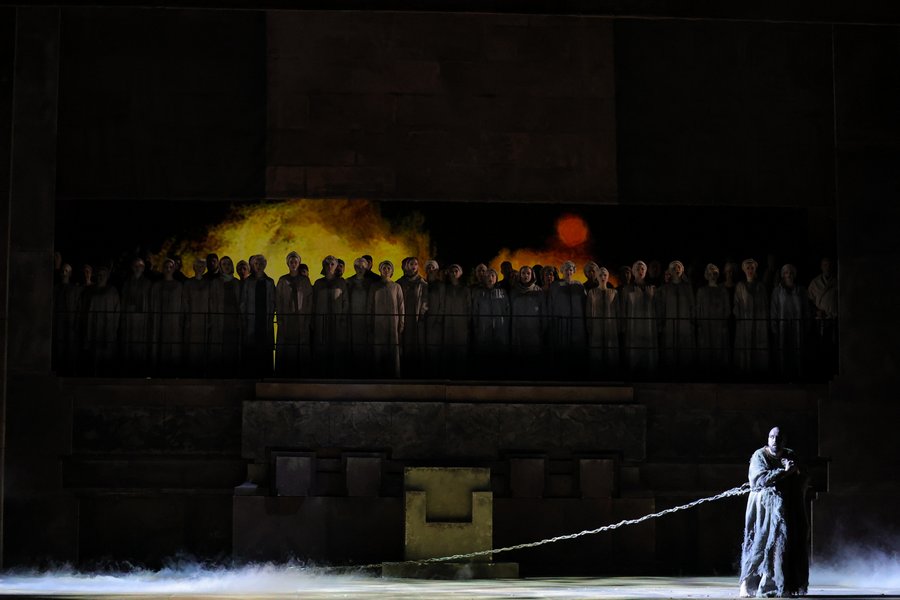
The captive Jews are facing imminent execution, and their thoughts focus on their homeland. Zaccaria prays and, in a visionary state, foresees the fall of Babylon. He motivates the despairing Jews, instilling in them firm confidence in an eventual victory.
Act 4: The Broken Idol
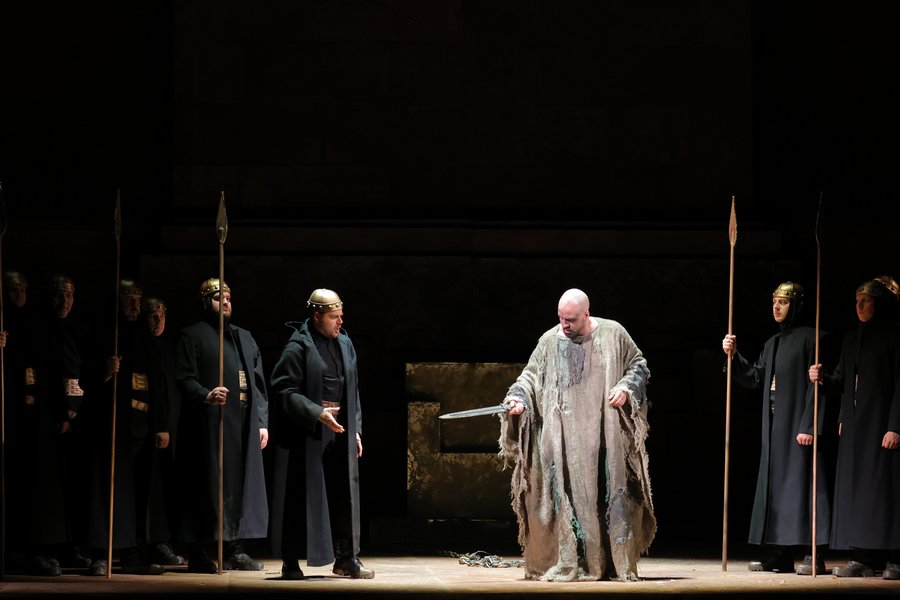
Nabucco is alone, reflecting on his past victories and the punishment he received for his arrogance. From the palace square, he hears the noise of captive Jews and Fenena being led to execution. In despair and under arrest, Nabucco prays to the God of the Jews for sanity restoration and assistance in freeing both the captives and his daughter. He repents for his blasphemy, regains his mental clarity and strength, and commands that the prison door be opened. Soldiers led by Abdallo come to support him. The Assyrian commander gives Nabucco his sword as he prepares to save his daughter.
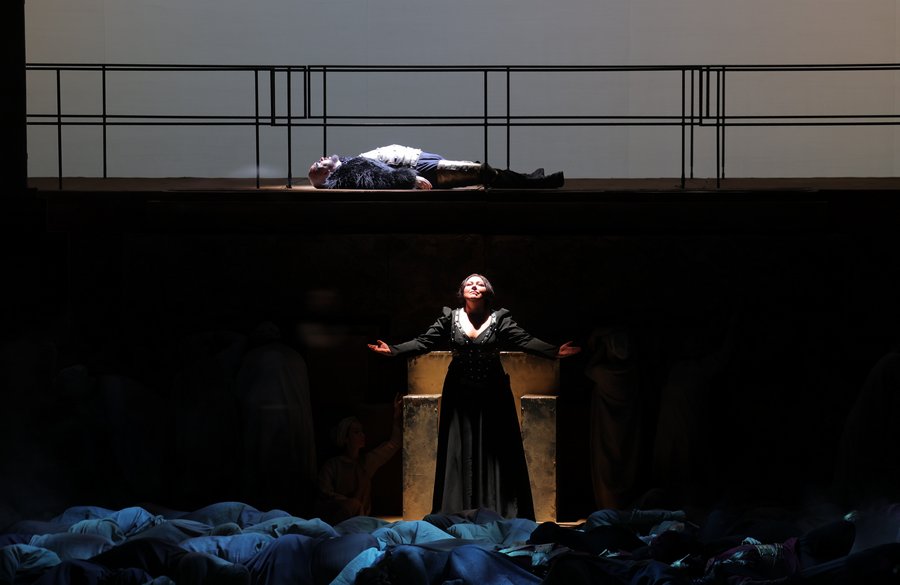
The funeral procession pauses at a mountain dedicated to Baal. Zaccaria asks those condemned to offer a final prayer to God. Suddenly, Nabucco’s soldiers intervene; the king kills the high priest and orders the destruction of Baal’s idol. Zaccaria’s prophecy is fulfilled as the Jews are freed and able to return home safely. Abigaille takes poison and, before dying, requests forgiveness from Fenena and Ismaele. Both Jews and Assyrians acknowledge the power of God.
.
Â